Note Taking
How to capture a two hour lecture without transcribing it word for word. Cornell, outline, mapping and plain linear notes, compared on the coursework they were used for.
Open the section
The methods that hold up under a full timetable: notes you will actually reuse, revision that sticks, exams you walk into without improvising, and a term kept running on a student budget.
Each section answers a different part of the same week: the lecture you are sitting in, the revision you owe it, the exam that closes it, and the life that has to fit around all three.
How to capture a two hour lecture without transcribing it word for word. Cornell, outline, mapping and plain linear notes, compared on the coursework they were used for.
Open the section
Spacing, retrieval and interleaving, described as things you do on a Tuesday rather than as theory. Includes the timetables that survive contact with a real term.
Open the section
Past papers under the clock, mark schemes read before the answer is written, and the routine for the last days. What to do when the plan slips, which it does.
Open the section
The parts of the term nobody schedules: arriving, sharing a kitchen, sleeping enough to sit a nine in the morning class, choosing what to join and what to drop.
Open the section
Budgeting on an income that arrives in lumps and leaves in trickles. Rent, bills, food, transport and the part time hours that pay for them without eating the term.
Open the section
Turning coursework, a summer job and a society role into a readable first CV. Then the placement interview, the reference request and the first month at a desk.
Open the sectionNew guides are filed under the section they belong to and dated, so you can tell what was written for this year's timetable and what is older ground.

Baptist history in western Colorado read through one congregation founded in 1883, plus baptism, worship structure, and the ABCUSA versus Southern Baptist

What a weekly youth group night asks of volunteer adults in small churches, and how to bring teenagers back the following week.

Where to download free satellite images of Asia, what resolution and revisit mean, and how to pick the right dataset for a mapping project.

Día, El día de los niños / El día de los libros, is celebrated on April 30. Learn its origins, how it spread since 1997, and how libraries and families mark it.

How cursive is taught in France, what pen grip and letter formation look like step by step, and what to do when handwriting stays slow and costly.

What biology says about eye and biddability, how balance point and flight zone place a dog, and how pet owners redirect nipping without stock.

Sleep rituals, the start of solid food, play with household objects and first family outings: a practical guide to the first three years at home.

What community development covers, who does the work, how neighbourhood revitalization moves through stages, and where the money for a project comes from.

How fixed monthly contributions behave when prices fall, which indicators are worth watching, and how fees and dividends shape a long horizon.

Sleep treated as a number you keep rather than a leftover. What seven hours protects, and how to defend it when the exam timetable presses.

A portfolio for an application is a short argument, not an archive. What to leave out and the order that carries the point.

A written tally beats a social circle for reading a habit, and the vocabulary of help is worth learning before it is needed.

A field course or a rural placement changes the questions that matter. Access, internet, water and the weekly shop, asked before you sign.

A late payment is usually process, not malice. The evidence file, the reminder ladder and the point where chasing stops working.

Tenancy, employment and hire forms use the same machinery. Scope, money, exit and liability, read in that order before the pen comes out.

Picking, packing and a rota that moves. What the first week of warehouse work teaches, and how to keep it from eating the term.

Borrow the rod, buy the boots, read the water before you cast. A term of fly fishing through a society costs less than a gym.

A knot is stored like a fact. Spaced, effortful practice on a length of cord is the revision method applied to your hands.

A week of fishing runs on three money lines and none of them is tackle. Licence, access and travel, priced before the pleasure.

A small gathering is three bookings and a plan: the room, the licence question and the run-up, in that order.

Offices run on macros nobody maintains. A little VBA, learned in short sessions, carries a placement application further than expected.

Settings, failures and adjustments: the knowledge a workshop course produces that lecture notes cannot hold.

A rented flat arrives with keys, an inventory and no manual. Ten minutes on move in day covers alarms, exits and doors.

Scope first, then definitions, then the numbered clauses. A reading method for the dense documents a course eventually hands you.

A jar, salt and the cheapest vegetable in the shop. The only part that has to be right is the salt, and the figures are published.

A few sessions a term, one batch at a time, and a skill measured in weeks. How to join a brewing society or start one.

A squad place asks less of your wallet than the catalogues suggest and more of your organisation than a fresher expects.

The two column layout is easy to draw and easy to abandon. Here is what the page has to contain on the day of the lecture for it to still be useful in revision week.
Coursework, a summer job and a society treasurer role are enough material for one honest page. What matters is which verb starts each line.
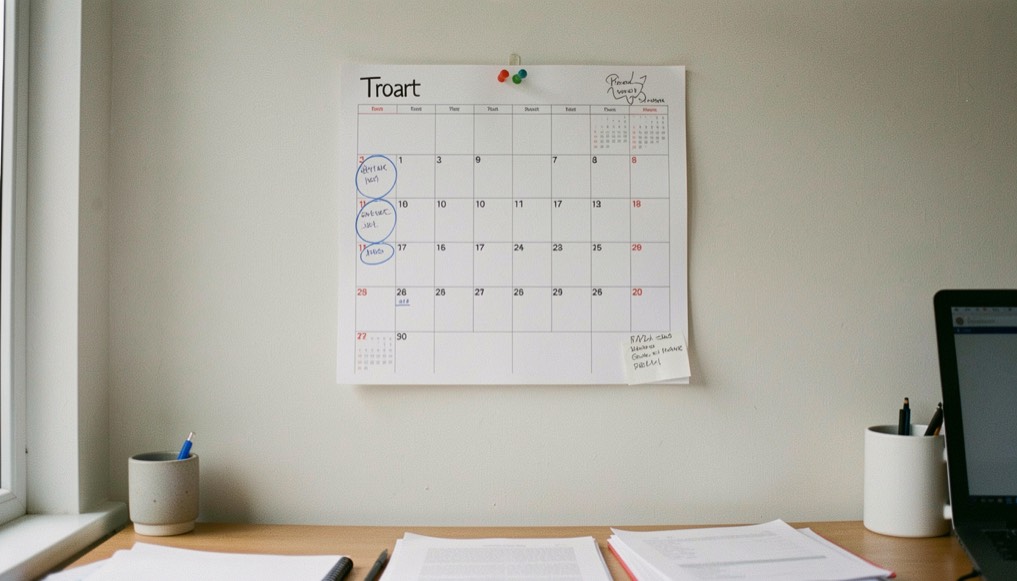
Three boxes, a calendar and a rule about what moves forward. The paper version is slower to set up and much harder to quietly abandon.
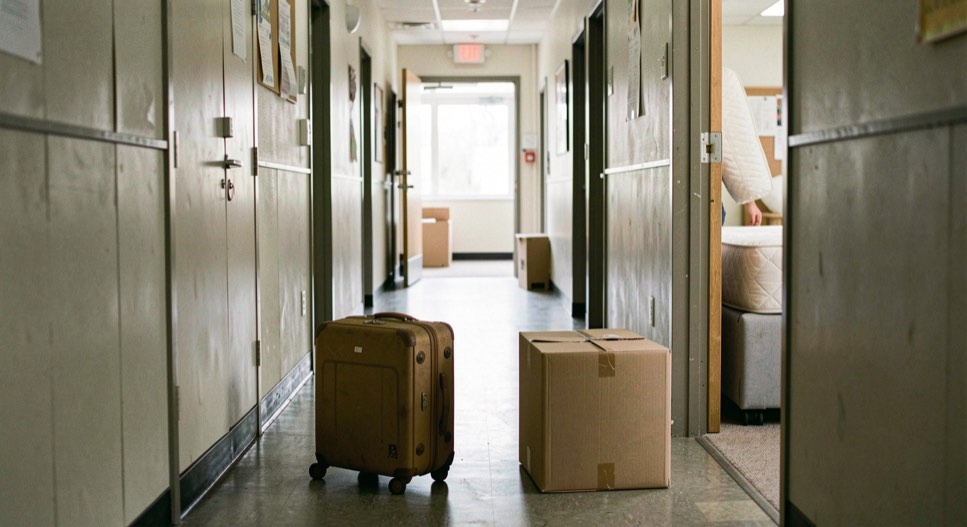
The two weeks that set the habits of a whole year. Which admin to clear on day one, and which invitations are worth saying yes to twice.
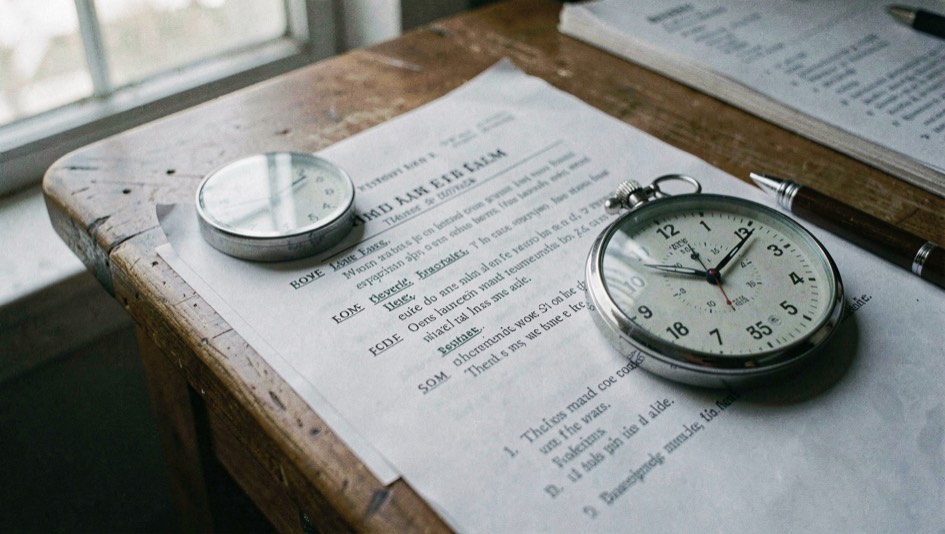
An untimed past paper measures nothing. The value comes from the clock, the closed book and the twenty minutes spent marking yourself afterwards.
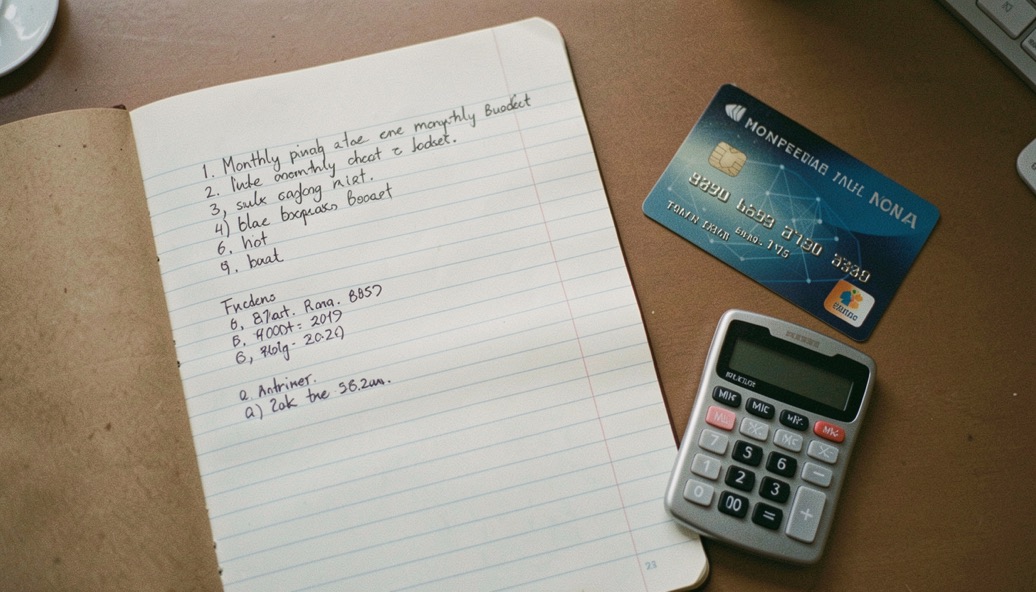
Fixed costs, weekly costs and the small leaks in between. The sheet works when it is filled in on the same day of the week, every week.
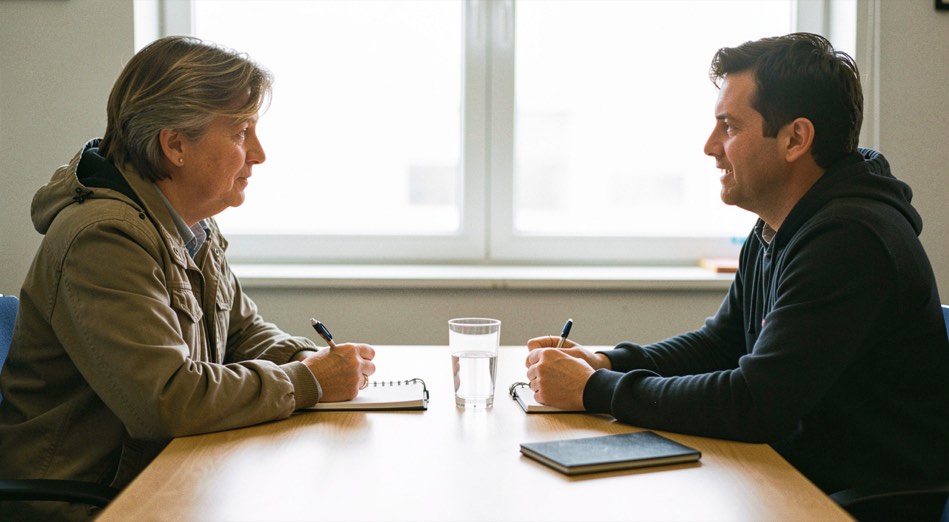
The same handful of questions turns up in almost every placement interview. Preparing one example properly beats rehearsing five answers badly.

Typing keeps up and remembers less. Writing falls behind and forces a decision on every line. The honest answer is that the choice depends on the subject.
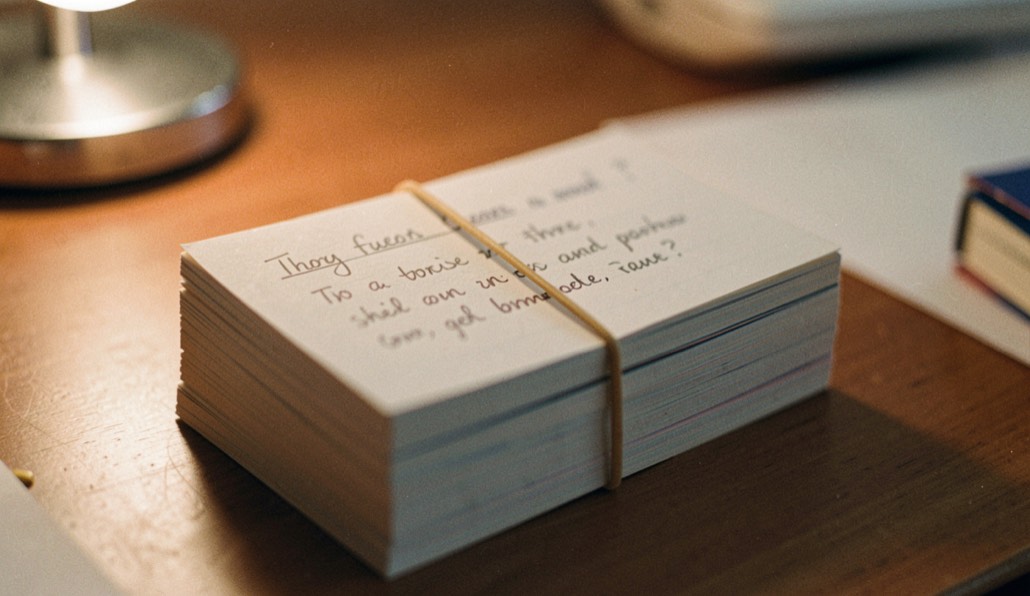
Most cards test recognition and feel productive. Rewriting the front of the card so it demands an explanation changes what the pack is worth.

Nothing new goes in. The work left is consolidation, sleep and rehearsing the first ten minutes of the paper until they are automatic.

Copying a page out neatly feels like work and produces very little memory. The same hour spent turning notes into questions produces a great deal.

A timetable with early starts is not a reason to give up on sleep. It is a reason to move the evening, which is the part actually under your control.
Every guide describes something you can do this week with the materials you already own: a notebook, a printer, a calendar and whatever the reading list demands. Where a method has a known limit, the limit is written down with it. Guides are revised when the practice changes, and the date at the top moves with the revision.

For students weighing a study stay abroad, Cuaderno del Páramo is a Spanish-language guide to , covering course levels, the DELE exam, host-family housing and getting around the city.

Students after cheap, social exercise can use Lane Six, an editorial guide to grassroots running, for , club trial sessions and athlete registration in England.

For a US comparison, The Activity Period lays out how American and student officer roles actually run week to week.

Students building a film society or a discussion group will find The Repertory Notebook useful: written for a room, and plain guides on rights, prints and running a screening night.

For the student who ends up officiating a friend's ceremony, walks through scripts, rehearsal logistics and the legal frame in plain English.

On the clothing side of a student budget, Get Real Clothes is a magazine on : buying less, washing less and mending what you already own.

For the computer science side of the bench, GIF4J is a technical guide to , from BufferedImage sequences to encoder settings.

Students far from home who receive a hospital letter can read on Inside the Scanner , what happens during the appointment, and what the dose figures mean.