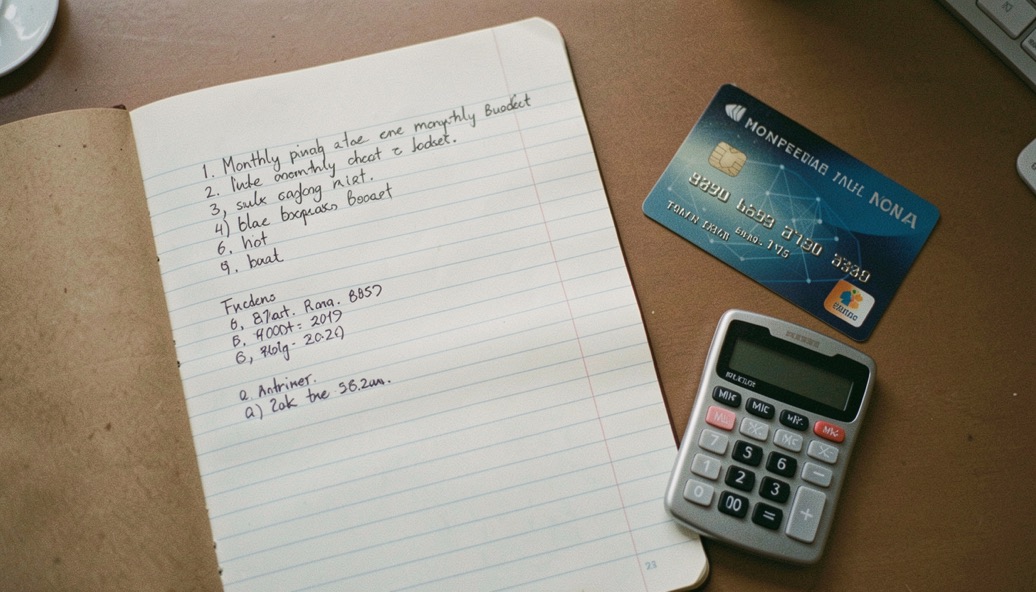
A budget sheet that survives term one
Fixed costs, weekly costs and the small leaks in between. The sheet works when it is filled in on the same day of the week, every week.
Student money has an awkward shape. It arrives as one or two large payments and leaves as a hundred small ones, across eleven or twelve weeks, against costs that are mostly invisible until they have already happened. A bank balance is a poor instrument for managing that, because it says what you have and nothing about what is already spoken for.
The guides here build the three things that make the shape manageable: a sheet with a single weekly figure at the top of it, a ceiling on paid hours that is set before a rota is agreed rather than after, and a tenancy signed with the agreement actually read. Where the arithmetic does not work at all, the useful responses are institutional rather than personal, and they are named rather than implied.
Fixed costs, weekly costs and the small leaks in between. The sheet works when it is filled in on the same day of the week, every week.

Paid work during term is normal and manageable up to a point. Where that point sits, which shifts do the least damage, and what to protect when the rota changes.

The largest line in a student budget is signed for in a hurry, months in advance. What to check before signing, what to record on the first day, and how a deposit comes back.
Coursework, a summer job and a committee role are the material a first CV is built from, and they read very differently depending on how they are described. The first job section covers the page, the interview and the reference.